As educators look for ways to improve early reading outcomes, one research-informed principle is rising to the forefront: cognitive load theory. While phonics is already designed to be systematic and cumulative, many programmes unintentionally overload children with too much information at once. Schools are now becoming far more aware of the need to reduce distractions, simplify visuals and break learning into manageable, memorable steps – an approach strongly aligned with Monster Phonics.
Cognitive load refers to how much information a child’s working memory can process at one time. Young learners can quickly become overwhelmed if:
When working memory is overloaded, learning does not ‘stick’.
 Teachers are increasingly evaluating the design of phonics programmes through a cognitive science lens. Effective phonics now prioritises:
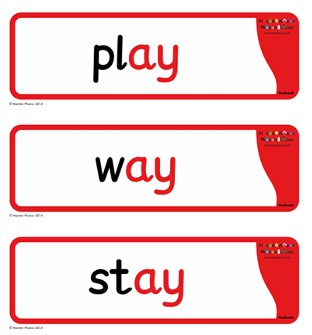
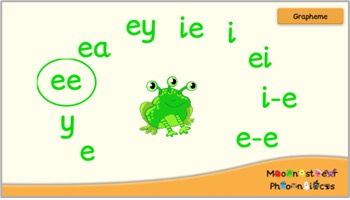
Simplicity accelerates success. Monster Phonics supports this by using consistent colour-coding, clear visuals and tightly structured lesson routines that draw attention only to the target sound, reducing unnecessary load.


Monster Phonics meets these expectations by keeping visual cues purposeful, controlling complexity and ensuring every element of the programme has a direct learning function.
Monster Phonics models these principles by providing predictable lesson structures, precise decodables and well-designed resources that focus attention where it matters.
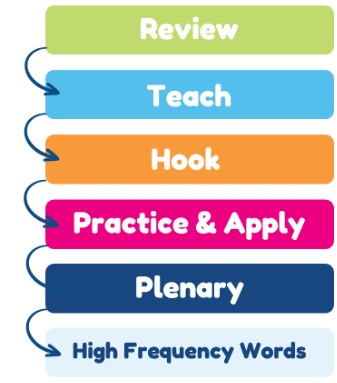
This trend reflects a broader shift in education: less is more when the “less” is carefully chosen. By reducing cognitive load, teachers free children’s minds to focus on what matters most – recognising patterns, blending sounds, segmenting words and developing early reading fluency.