When teaching early reading and writing, one of the key challenges is helping pupils apply their phonics knowledge to all words they encounter. While most words can be decoded using taught grapheme–phoneme correspondences, some contain elements that have not yet been learned. These are often referred to as tricky words.
In the National Curriculum, many of these words are listed as Common Exception Words (CEWs). They are not completely irregular, but they include parts that do not match the phonics pupils have been taught so far. This can make them more difficult to read and spell in the early stages. Understanding this distinction is important. Rather than memorising whole words, pupils are encouraged to decode the parts they can and focus on the tricky bit. This supports both accuracy and long-term reading development.
We will explore what tricky words are, why they can be challenging, and how to teach them effectively so pupils build confidence and fluency.

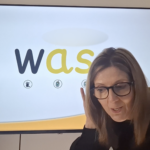
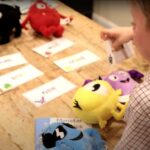
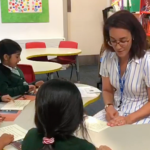
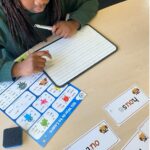
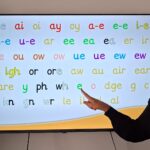
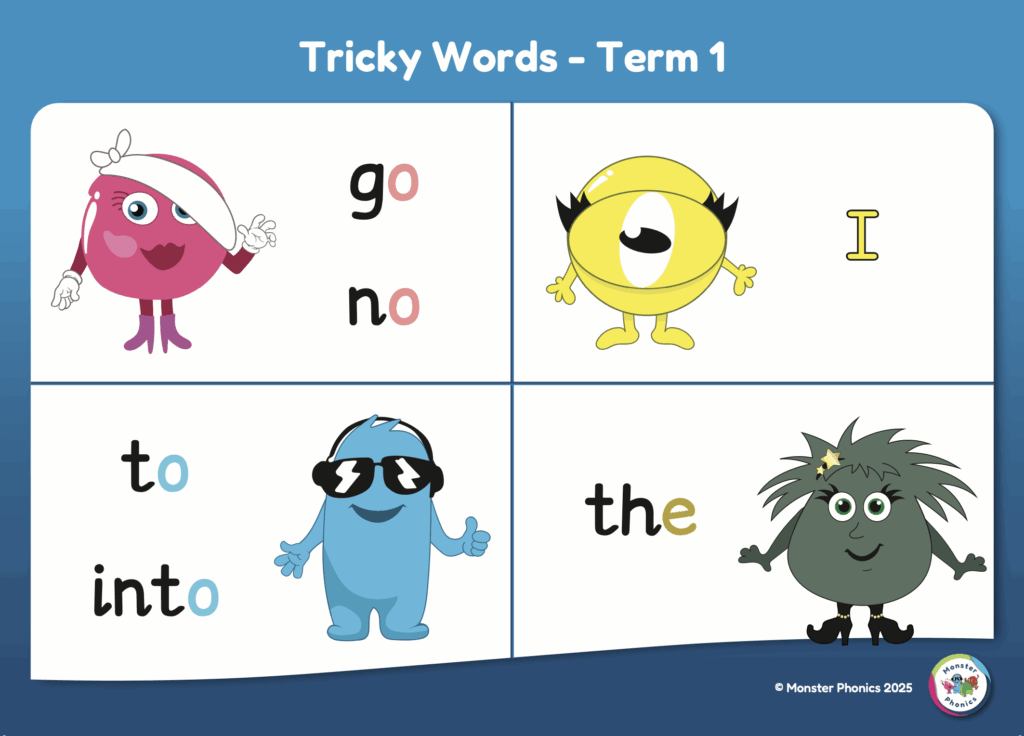
Tricky words are words that are not fully decodable based on the phonics pupils have been taught so far. While much of the word may follow familiar grapheme–phoneme correspondences, one part does not match current knowledge.
These words are not completely irregular. Instead, they contain a tricky part where the grapheme represents an unexpected sound or a correspondence that has not yet been learned. This can make them more challenging to read and spell in the early stages.
Rather than memorising whole words, pupils are taught to decode what they can and identify the tricky part. This supports accurate reading, strengthens understanding of the alphabetic code, and builds long-term fluency.
Try now for Free
Monster Phonics makes tricky words easier to learn by helping pupils clearly identify the tricky part of the word and link it to the unusual grapheme and the sound it represents, rather than relying on memorisation.
Focus on the tricky part
Pupils decode the parts of the word they know and are explicitly taught to identify the part that is unusual. This builds understanding of how the word works.
Colour coding for clarity
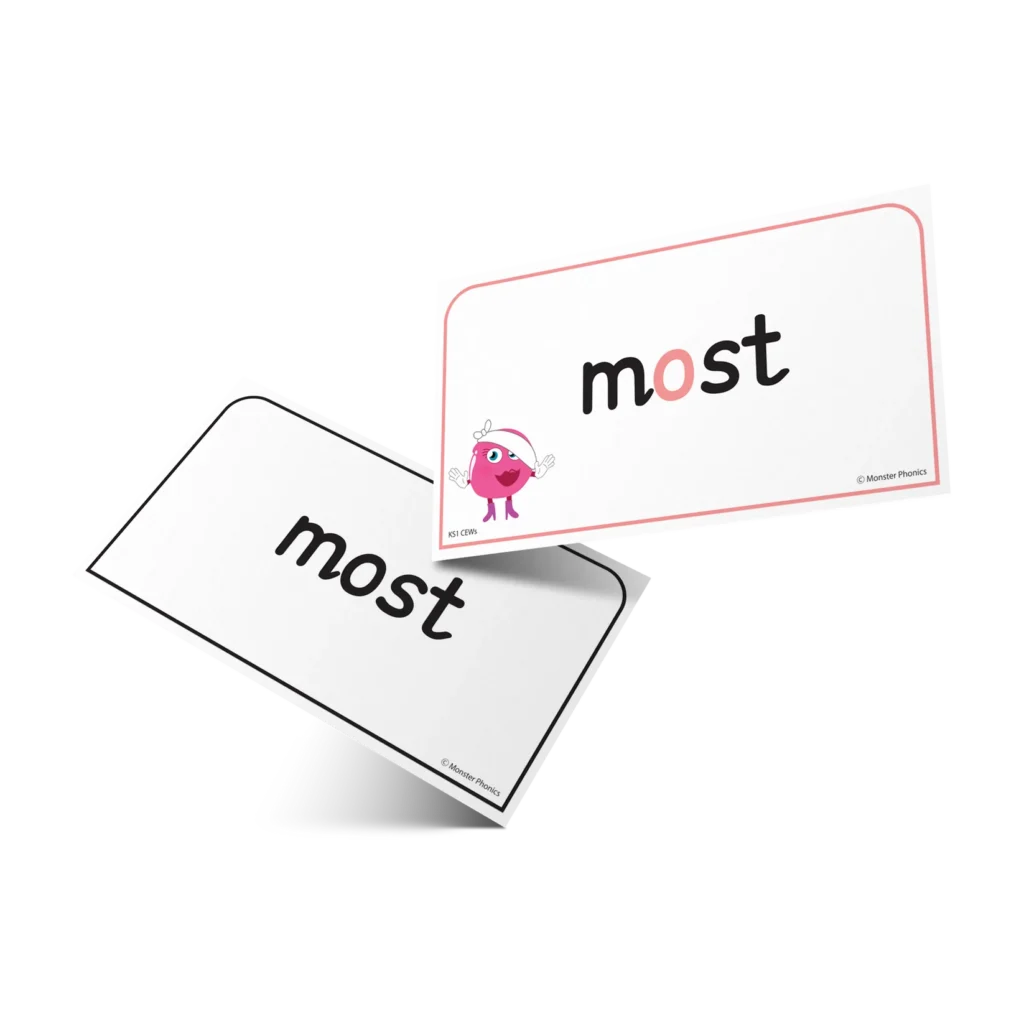
The Monster Phonics colour system highlights known grapheme–phoneme correspondences and draws attention to the tricky element, making it easier to see and remember.
Multi-sensory practice
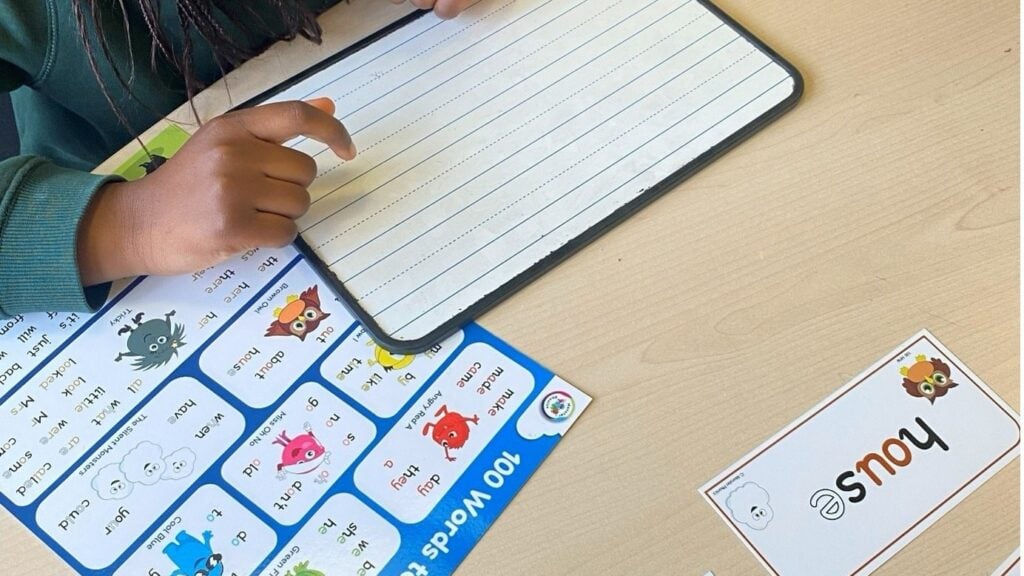
Pupils say, read, build and write tricky words through engaging activities, reinforcing both the sound and spelling.
Consistent reinforcement
Tricky words are revisited regularly through flashcards, Word Builder and reading books, helping pupils secure them over time.
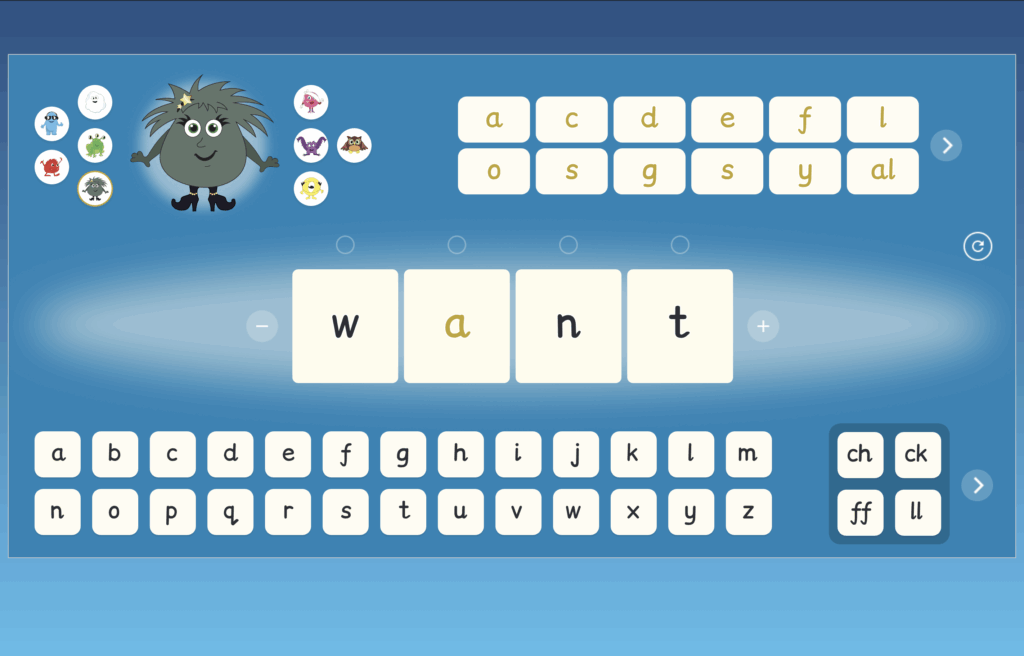
Monster Phonics provides a range of practical tools to help teachers make tricky words clear, structured and memorable. Each resource supports pupils in identifying the tricky part of the word and linking it to the correct grapheme and sound.
Word Builder
Use the Word Builder to construct tricky words step by step. Begin by building the decodable parts of the word, then draw attention to the tricky element. Discuss why this part is unusual and model the correct pronunciation. This helps pupils see how the word works, rather than memorising it as a whole.
Magnetic Letters
Magnetic letters allow pupils to physically build and manipulate tricky words. Ask pupils to make the word, identify the tricky part, and then change or swap graphemes to explore patterns. This hands-on approach supports understanding and retention.
CEW Flashcards
Use flashcards for regular, quick-fire practice. Encourage pupils to read the word, then discuss and point out the tricky part. Revisit frequently to build automatic recognition and support fluency.
Tricky Decodable Cards
These cards link tricky words to fully decodable text. Pupils can practise reading the word in context, reinforcing both recognition and meaning. This helps bridge the gap between isolated word reading and fluent reading in books.
Monster Phonics teaches tricky words using colour-coded monsters, which makes them easier for children to remember. Try it free with your class.