One of the best parts of teaching is the diversity our children bring into the classroom. Many of our pupils speak English as an Additional Language, and I’ve learned that with the right support they don’t just “get by” – they really thrive.
The Bell Foundation reminds us that EAL learners need both support and high expectations.
With a little scaffolding, plenty of visuals, and strategies that value their home language, they can access the same rich curriculum as everyone else.
Here are a few things that work well in the classroom (especially when paired with Monster Phonics):
 1. Visuals and Colour Coding
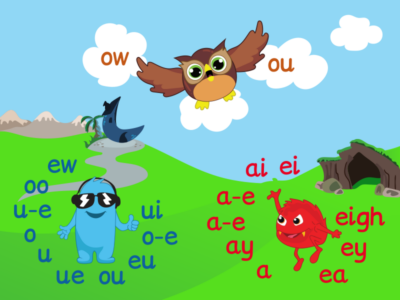
EAL pupils benefit hugely from seeing the sounds. That’s why Monster Phonics’ colour coding is so powerful – it makes abstract spellings instantly clear. Add pictures, gestures and real objects, and suddenly tricky phonics patterns “click”.
2. Pre-Teach and Scaffold Vocabulary
If I know a tricky word is coming up in a lesson, I’ll introduce it beforehand. Word mats and sentence frames help children use new vocabulary straight away, giving them the confidence to contribute.
3. Talk and Recasting
Talk is vital. I use “talk partners” so children can rehearse language in pairs. And when mistakes happen, I don’t stop them mid-sentence – I use recasting. For example, if a child says “He go park”, I’ll respond, “Yes, he goes to the park.” They hear the correct form in context without feeling discouraged.
4. Multisensory Learning
Children remember more when they see, hear, say and do. With Monster Phonics we add colour, movement, songs and actions, which makes phonics accessible and fun for EAL learners (and the whole class!).
5. Celebrate Home Languages
I always encourage children to share words or stories from their own language. It builds their confidence and makes them feel proud of who they are – and the rest of the class learns something new too.
Every EAL learner is different, but the key is to combine support with challenge. Using strategies like visuals, scaffolds, recasting and multisensory phonics gives children the tools they need to succeed.
And honestly? Watching them grow in confidence – speaking up, taking risks, and enjoying learning – is one of the most rewarding parts of teaching.
👉 What strategies have made the biggest difference for your EAL pupils?